5 Reasons Why the 2023 Earthquakes in Turkey Were So Devastating
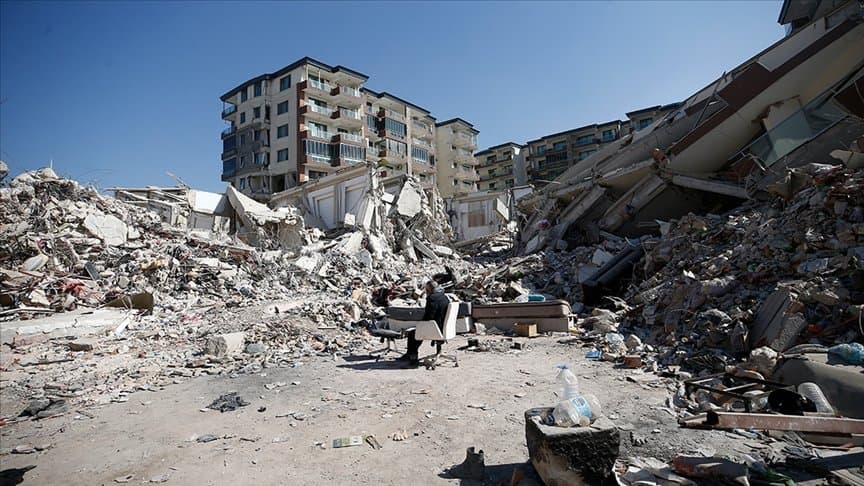
The earthquakes of 6 February 2023 were devastating because two very large, shallow earthquakes struck the same region within nine hours, in winter, and hit many buildings that were old or not built to the rules. According to the Turkish Ministry of Interior, 53,537 people lost their lives and 107,213 were injured in Turkey, across 11 provinces, the highest death toll in the history of the Republic. For buyers, the main lesson is that the building matters more than anything else: when it was designed, on what ground, and by whom.
What Happened
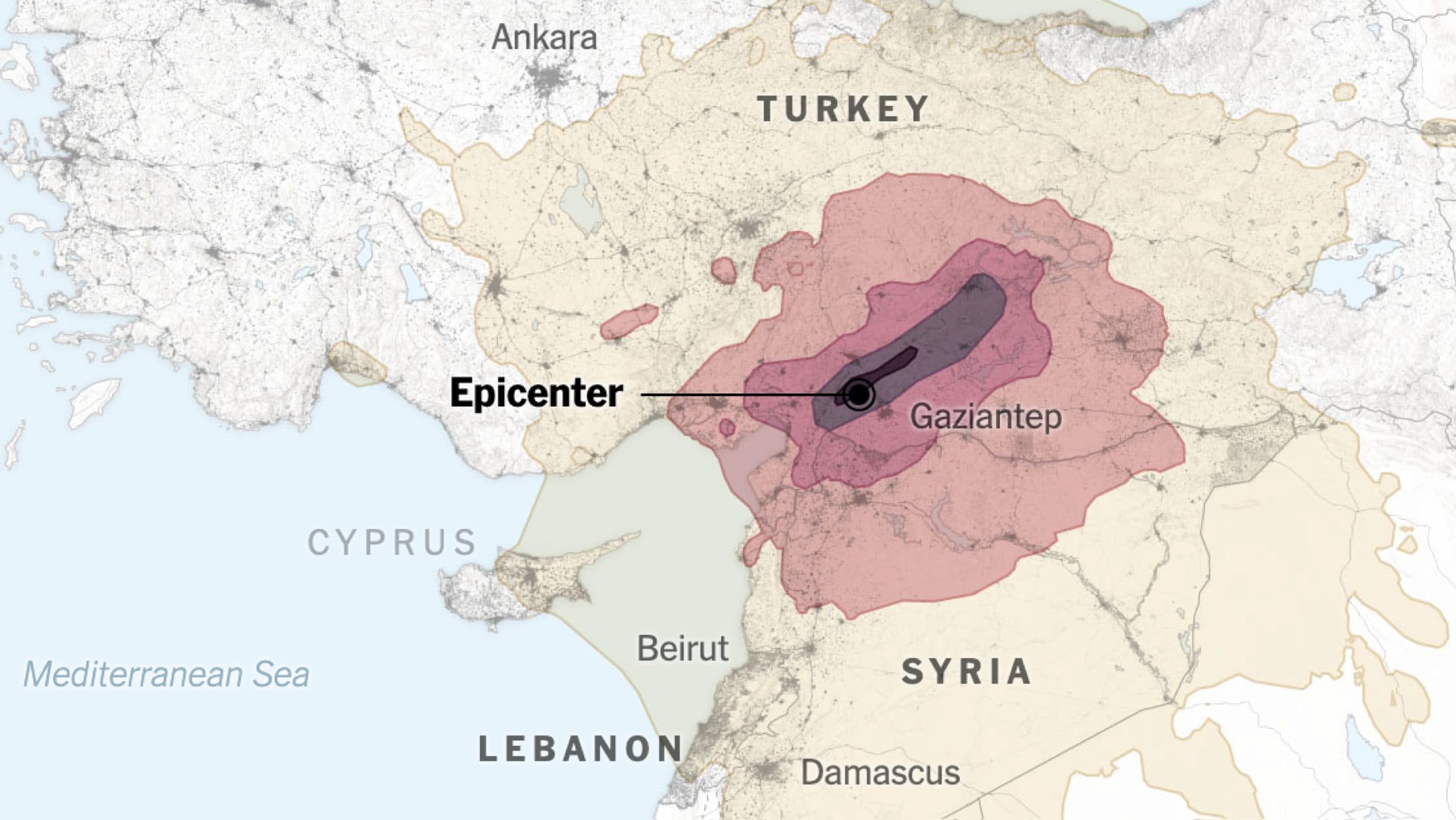
The first earthquake, magnitude 7.7 (Mw), struck at 04:17 with its epicentre in Pazarcık, Kahramanmaraş. The second, magnitude 7.6, struck nine hours later at 13:24, centred in Elbistan, Kahramanmaraş (figures from AFAD, Turkey's Disaster and Emergency Management Presidency). The affected area covered Kahramanmaraş, Hatay, Adıyaman, Malatya, Gaziantep, Osmaniye, Adana, Diyarbakır, Şanlıurfa, Kilis and Elazığ.
1. The Earthquakes Were Shallow
AFAD reported a depth of about 8.6 km for the first earthquake and about 7 km for the second. Earthquakes that break close to the surface shake the ground above them much more strongly than deep ones of the same size. The first earthquake also ruptured a long section of the East Anatolian Fault, so a very wide area was shaken hard at the same time.
2. Old Buildings and Buildings Not Built to the Rules
"Don't fight nature, adapt to it" sums up the lesson. Turkey sits on several active faults, and its earthquake rules have been tightened after each major disaster:
- 1997 regulation on buildings in disaster areas, in force from 1998.
- After the 1999 Marmara earthquakes: independent building inspection was introduced by decree in 2000 and by Law No. 4708 in 2001 (first in a group of pilot provinces, nationwide from 2011), and earthquake insurance became compulsory in 2000.
- 2007 regulation on buildings in earthquake zones.
- 2018 Turkish Building Earthquake Code (TBDY 2018), published on 18 March 2018 and in force since 1 January 2019.
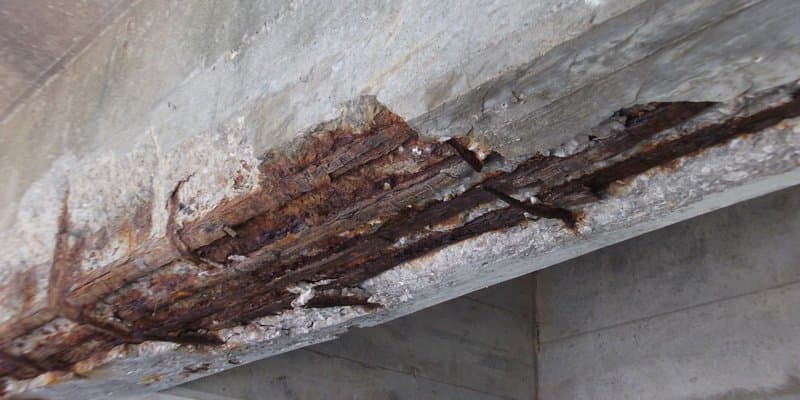
Many of the buildings that collapsed were built before these rules, or were built without following them: poor concrete, missing reinforcement, extra floors added later, or load-bearing columns removed on the ground floor. Investigations and court cases against contractors and officials followed the disaster.
3. Soft Ground and Liquefaction
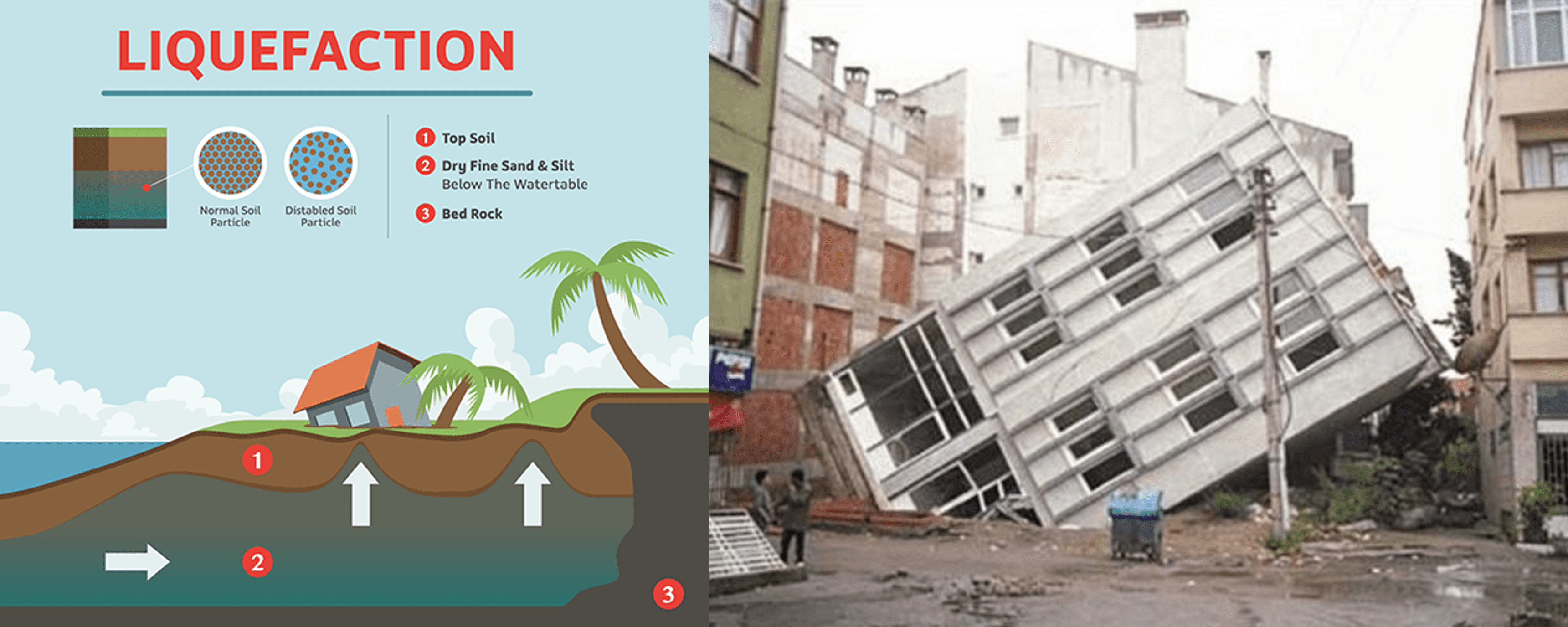
In some areas, buildings stood on soft, water-saturated soils such as alluvium. During strong shaking these soils can lose strength (liquefaction), and some buildings tilted or sank into the ground instead of collapsing in place. This is why the ground survey under a building matters as much as the building itself.
4. Winter Weather
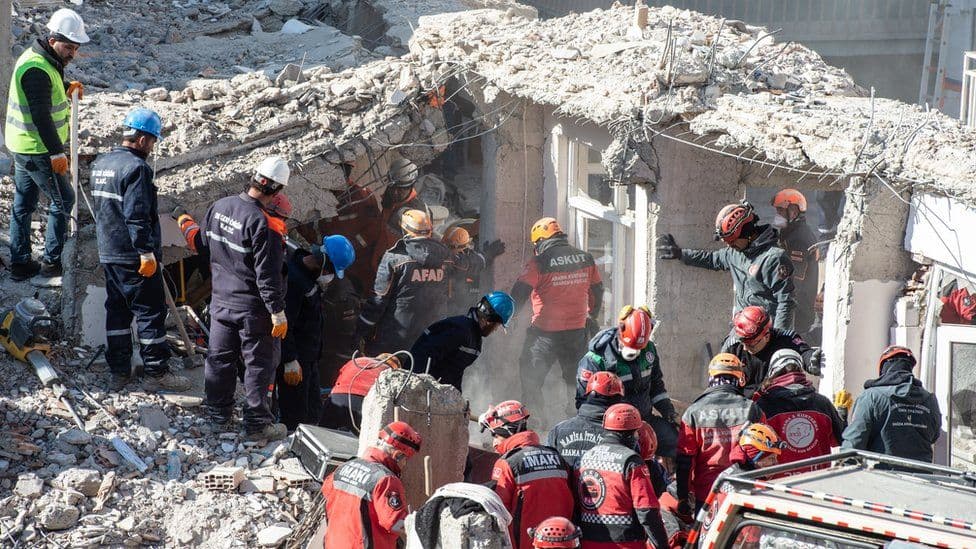
The earthquakes came on one of the coldest days of the season in the region. Many people who escaped their homes after the first earthquake had to shelter in freezing temperatures, and people trapped under rubble faced the cold as well. Snow and damaged roads slowed search and rescue teams in the first critical days.
5. Panic and Preparedness
Turkey runs earthquake drills in schools and public buildings, but panic in the dark at 04:17 made it hard for people to follow what they had learned. AFAD's advice is Drop, Cover, Hold On (Çök, Kapan, Tutun): get down, protect your head and neck next to or under sturdy furniture, and hold on until the shaking stops. Do not run for stairs or lifts during the shaking. AFAD recommends this rather than the widely shared "triangle of life" idea.
How to Choose an Earthquake-Safe Property in Istanbul
Istanbul lies near the North Anatolian Fault, and scientists expect a major earthquake in the Marmara region at some point. You cannot choose to avoid earthquakes, but you can choose the building. Check these points before you buy:
| What to check | Why it matters | How to check |
|---|---|---|
| Building permit date | A permit dated from 1 January 2019 means the design had to follow TBDY 2018. Buildings designed before 2000 were built before independent building inspection. | The building permit (yapı ruhsatı) and occupancy permit (iskan) |
| Ground survey | Soft or liquefiable soil needs special foundations. | Ask for the ground survey report (zemin etüdü) and the foundation design |
| Building inspection | An independent inspection firm must supervise construction. | The name of the building inspection company on the permit |
| Developer track record | Past projects show quality and whether the developer finishes on time. | Visit completed projects; check the developer's history |
| Risky building status | Older buildings can be declared "risky" and scheduled for demolition. | The e-Devlet "Riskli Yapı" services of the Ministry of Environment, Urbanisation and Climate Change |
| DASK insurance | Compulsory earthquake insurance; a title deed transaction cannot be registered without a valid policy. | Ask the seller for the current DASK policy |
Urban transformation. Under Law No. 6306 (2012), buildings found to be at risk can be demolished and rebuilt. An older flat in an area of urban transformation may be rebuilt, which takes time and needs the owners' agreement, while a new-build project gives you a modern, inspected building from the start.
Beyond the building. Look at the surrounding streets, access for emergency services, and the distance to open assembly areas. A new building next to old, weak ones is still exposed if the street is blocked.
What This Means for Buyers
- Prefer buildings designed under the 2018 code, or at least built with independent building inspection.
- Ask for documents, not promises. Permit, occupancy permit, ground survey and inspection company should all be available.
- Budget for DASK and consider additional home insurance.
- Earthquake safety is part of value. Since 2023, buyers and tenants in Istanbul pay closer attention to building age and quality.
When you buy new-build property through CCT Investments, project visits are free, and you can ask us for the permits, the developer's completed projects and the building's specifications before you decide. Read what to consider before buying an apartment in Istanbul, our buyer guide, and browse properties in Istanbul.
Sources
- Ministry of Interior, 6 February 2024: 53,537 deaths and 107,213 injured in 11 provinces
- AFAD press bulletin, 8 February 2023: magnitudes 7.7 (Pazarcık) and 7.6 (Elbistan)
- AFAD preliminary evaluation report on the Kahramanmaraş earthquakes
- Official Gazette, 18 March 2018: Turkish Building Earthquake Code
- Law No. 4708 on Building Inspection (Ministry of Environment, Urbanisation and Climate Change)
- DASK: compulsory earthquake insurance law