E-Devlet Rental Agreement in Turkey: New Rules for Landlords & Tenants
Turkey Introduces a New Era for Rental Agreements: How the e-Devlet Rental Contract System Works
Turkey is taking another important step toward digitalizing the real estate and rental market.
The Turkish government has introduced an e-Devlet rental agreement system, allowing landlords, tenants and authorized real estate professionals to prepare and approve rental contracts digitally through Turkey’s official e-Government platform.
The system is designed to make rental agreements more transparent, secure and easier to verify, while also helping reduce disputes between landlords and tenants.
For property owners, including international investors who own real estate in Turkey, understanding how the new digital rental agreement system works is becoming increasingly important.
What Is the e-Devlet Rental Agreement System?
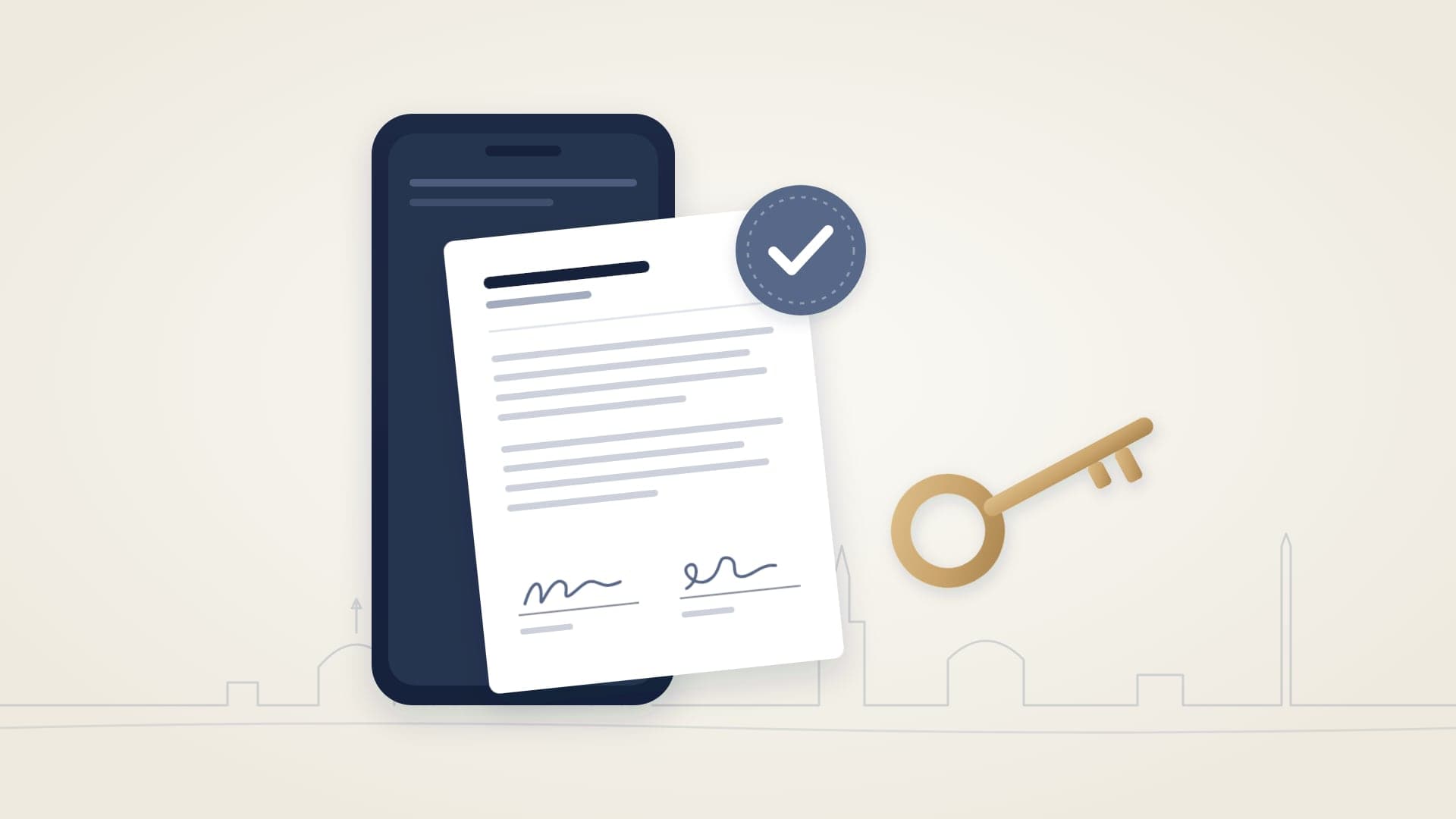
The e-Devlet rental agreement system is a digital platform that allows rental contracts to be prepared and approved electronically through Turkey’s official e-Government system.
The first phase of the system was introduced on November 4, 2024, initially allowing individual property owners to create rental agreements and send them to tenants and guarantors for approval.
The system was subsequently expanded.
Since May 9, 2025, authorized real estate agents and property professionals have also been able to prepare rental agreements through the platform and submit them to landlords, tenants and guarantors for approval.
This expansion is particularly important for professional property management and real estate companies, as it allows rental transactions to be handled digitally from beginning to end.
How Does the e-Devlet Rental Contract Work?
The rental agreement service is available through the Turkish government’s official e-Devlet platform.
After logging into the system, the landlord or an authorized real estate professional can create the rental agreement by entering the relevant property and rental information.
The contract can then be submitted electronically to the tenant and, where applicable, the guarantor for approval.
Users can access the e-Devlet system through several authentication methods, including:
- e-Devlet password
- Internet banking
- Electronic signature
- Mobile signature
- Turkish ID card
Once all parties have approved the agreement, the contract becomes digitally recorded within the system.
What Information Is Included in a Digital Rental Agreement?
A rental agreement should clearly establish the main terms of the landlord-tenant relationship.
Depending on the agreement, important information can include:
- Property details
- Landlord information
- Tenant information
- Rental start and end dates
- Monthly rental amount
- Payment details
- Deposit amount
- Other agreed rental conditions
Recording these details digitally can help reduce misunderstandings and provide both parties with a reliable record of the agreed terms.
For landlords living outside Turkey, this can be particularly useful because it provides a centralized digital record of the rental agreement.
Can Rental Agreements Be Corrected or Updated?
The digital system also provides mechanisms for correcting certain mistakes.
According to the current system, material errors such as incorrect numbers, spelling mistakes or incorrectly entered information can be corrected through the “Error Correction” function within 15 days following approval.
Certain contact, rental amount and payment information can also be updated through the relevant update functions.
This makes the system more practical for long-term rental relationships where certain information may need to be kept current.
Digital Rental Agreements Can Be Verified
One of the important advantages of the e-Devlet system is that rental agreements can be generated as time-stamped, barcode-enabled documents.
These documents can subsequently be verified through the e-Devlet system.
This provides an additional layer of security compared with relying solely on a printed rental contract.
For landlords and tenants, having a digitally verifiable record can become particularly valuable if a disagreement arises later.
How Can the System Help Prevent Landlord-Tenant Disputes?
Rental disputes in Turkey can involve many different issues, including:
- Monthly rent
- Rent increases
- Deposit payments
- Payment dates
- Maintenance and repairs
- Building expenses
- Property usage
- Termination and eviction
- Responsibilities of the landlord and tenant
A clear written rental agreement does not automatically eliminate disputes. However, having the agreed terms digitally recorded can make it easier to establish what the parties originally agreed upon.
This is especially important when a property is rented for several years and the original agreement becomes difficult to locate or is disputed by one of the parties.
What Does This Mean for Property Owners?
For property owners, the move toward digital rental agreements represents a significant improvement in documentation and transparency.
Instead of relying only on a physical contract, landlords can have a digitally recorded agreement that can be verified through the official government platform.
This can be particularly beneficial for foreign property owners in Turkey who may not live in the country permanently.
A properly documented rental agreement can also make property management easier when a professional real estate or property management company is involved.
However, landlords should still ensure that the rental amount and all other terms entered into the digital contract accurately reflect the actual agreement between the parties.
What Does This Mean for Tenants?
For tenants, the system provides a clearer record of the terms agreed with the landlord.
The rental amount, deposit, payment conditions and other contractual terms can be documented electronically, reducing the risk of disagreements over what was originally agreed.
Tenants should carefully review the entire agreement before approving it and make sure that the information accurately reflects the actual rental arrangement.
The Increasing Role of Real Estate Agents
The expansion of the system to authorized real estate professionals is particularly significant for the Turkish property market.
Real estate agents can now participate more directly in the rental agreement process by preparing the contract and submitting it electronically to the relevant parties for approval.
This means that professional real estate companies can play a broader role than simply introducing landlords and tenants.
They can also help ensure that the rental transaction is properly documented and that the relevant parties complete the digital approval process.
For international property owners, this can be especially useful when they are not physically present in Turkey during the rental process.
Will e-Devlet Rental Agreements Become Mandatory in Turkey?
At present, all rental agreements are not yet legally required to be completed through e-Devlet.
However, the Turkish Ministry of Treasury and Finance is working on a system that could make the use of e-Devlet mandatory for all rental agreements.
If such a regulation comes into force, the way rental transactions are documented in Turkey could change significantly.
The exact scope and implementation date of any future obligation will depend on the final legislation and official regulations.
Therefore, landlords and tenants should distinguish between the current voluntary system and any future mandatory requirements.
What Should Foreign Property Owners in Turkey Know?
For international investors, Turkey’s digital rental agreement system is another example of the country’s broader digitalization of real estate-related processes.
Foreign property owners should pay particular attention to:
1. The actual rental amount
The amount recorded in the rental agreement should accurately reflect the rent agreed between the parties.
2. Deposit terms
The amount of the deposit and the conditions regarding its return should be clearly established.
3. Payment information
Payment dates and methods should be clearly documented.
4. Property responsibilities
Maintenance, repairs, building expenses and other responsibilities should be clearly defined.
5. Professional property management
Owners who live abroad may benefit from working with a professional property management or real estate company that can coordinate the rental process locally.
A More Transparent Future for Turkey’s Rental Market
The introduction and expansion of e-Devlet rental agreements represents another step toward a more digital and transparent Turkish real estate market.
As more property-related transactions move online, landlords, tenants and real estate professionals can benefit from easier access to reliable digital records.
For international property owners, the development is particularly relevant. Managing a property remotely can be challenging, and having rental agreements digitally recorded through an official government platform can make the process more structured and easier to verify.
While the e-Devlet rental agreement system does not eliminate every possible landlord-tenant dispute, it provides an important foundation for better documentation and greater transparency.
Conclusion
Turkey’s e-Devlet rental agreement system is changing the way rental contracts are prepared and documented.
The system currently allows landlords, tenants and authorized real estate professionals to complete rental agreements digitally, while the Turkish government is also working on a broader framework that could make digital rental agreements mandatory in the future.
For property owners in Turkey, particularly international investors living abroad, understanding this system is becoming increasingly important.
As Turkey continues to digitalize its real estate market, rental agreements are likely to become more standardized, transparent and easier to verify.
If you own property in Turkey and live abroad, working with a professional real estate or property management company can also help ensure that your rental process, tenant relationship and property documentation are handled correctly.